Perfectionism is Self-Deception
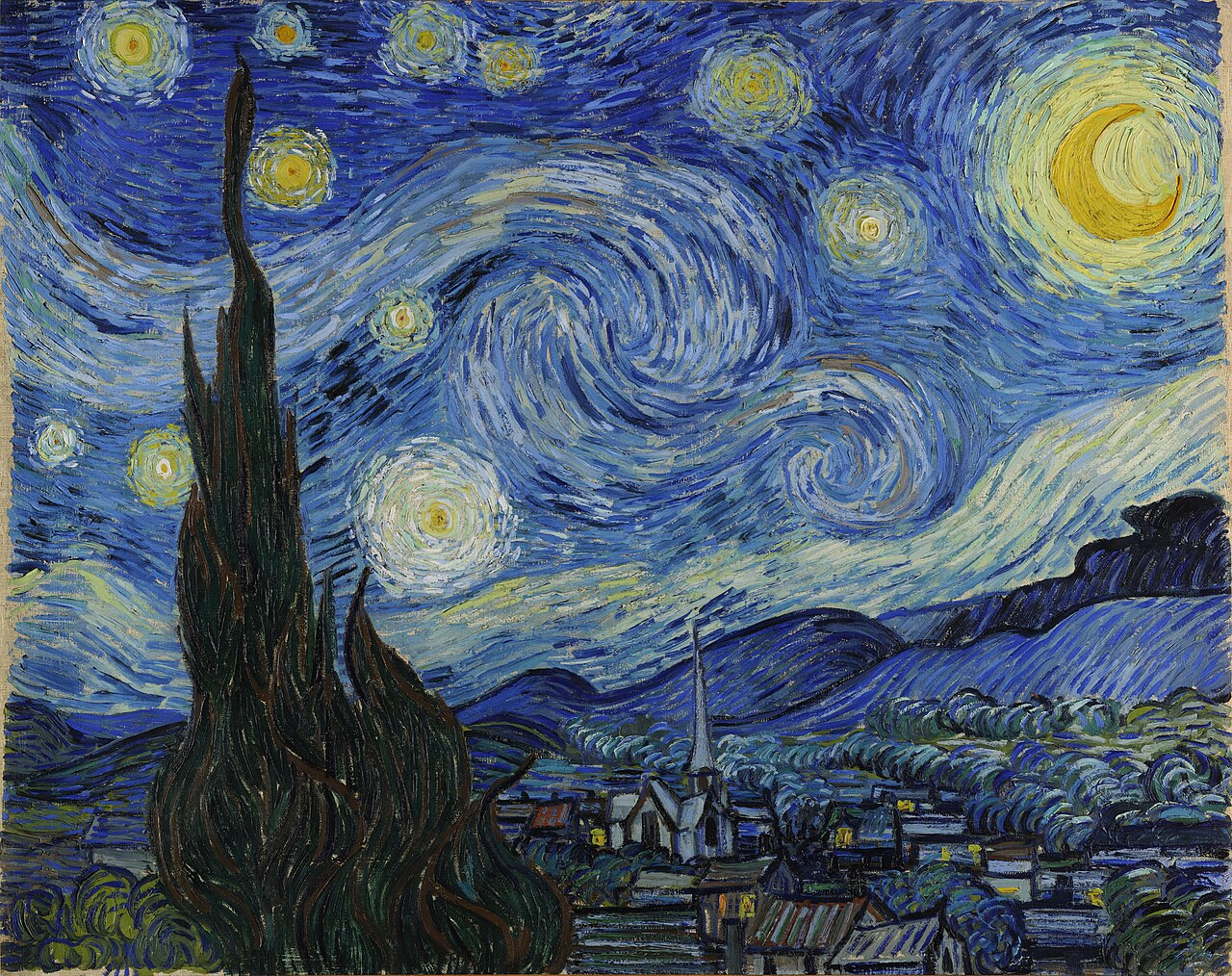
Perfectionism is self-deception.
So is imposter syndrome. They’re both convenient things to tell yourself as a defence mechanism against whatever your life is vs. what your life should or could have been, which is intolerable. It’s much easier to focus on anything but the ideal, and everyone conveniently pretends they can’t differentiate between ideal and perfection.
Perfection is in the same line of any absolute such as objective truth. It exists but is intangible and imperceptible to us. If you saw what perfect was, you couldn’t recognise it, let alone attempt to emulate it, and if you somehow managed to do a thousandth of either, you would most likely immediately find yourself materialised inside a padded, locked room from the following psychotic breakdown. You would become a Lovecraft character.
So now that we know perfection is impossible, perfectionism reveals itself as idealism: the root of all the troubles of ruminators, “gifted” children, and those who became lost following tragedy.
To idealise is to be unable to tolerate reality. For someone to be ideal, they have to not exist as a person. Never meet your heroes is a lesson about this, and ironically enough, a wrong one, you really should meet your heroes. An idealised person’s flaws immediately become apparent when they stop being an object, and become an actual person with agency. An object cannot move any more than a movie can vary in its script on a rewatch, or a sculpture step down from its pedestal. To do so is a violation of its own existence. Perfection to us as we can perceive it is stillness. Thus any variation, and movement, is an act of aggression and betrayal against our own ideas as it is against the perfect. To recognise that our ideals, what we see as perfect, as having flaws, means that we cannot be perfect, which is intolerable. The emotional response to this is to destroy the object instead of facing reality.
This is why so many fail at or are incapable of love, or any genuine connection. It requires you to be able to engage another person as they are, as an agent, and not an object or an idea, or whatever representation of them you have in your or their head. Love has you learn all of this, and accept it, flaws and all, which, in turn, requires you to accept yourself for all your flaws.
Love requires you to acknowledge that you are powerless before the idea of perfection, and surrender yourself to it.